While selling fish business (cá đông lạnh) high-demand products offers great opportunities, it also comes with risks of financial loss. Before you get started, check out these tips from Tropical Delight!
When starting a business, it’s essential to thoroughly understand your product as well as the preferences and needs of your target customers. Having in-depth knowledge of your product not only helps you manage inventory and provide better customer consultations but also enables you to create engaging and compelling content to attract consumers.
For those in the frozen fish business, it’s crucial to learn about freezing processes, storage methods, thawing techniques, and fish preparation. These are valuable scientific and business insights that will support your operations.
Additionally, retailers should invest in the necessary equipment for proper storage and transportation. In the frozen fish business, maintaining product quality through correct storage methods is the top priority.
Selling high-quality products is the most important factor for any frozen fish retailer. The products you sell are food that customers consume daily, and selling low-quality frozen fish can pose serious health risks for both consumers and sellers.
Offering high-quality products not only helps retain customers but also attracts new potential buyers, allowing you to expand your business. To ensure product reliability, it’s crucial to choose your suppliers wisely.
Sourcing fish directly from fishing boats can help retailers save costs, but it also means working with multiple suppliers if you want a diverse range of products.
This is especially true if you plan to sell both seafood like fish, shrimp, squid, and crab, as well as farm-raised fish and freshwater species from rivers. Additionally, in provinces that are not located near the coast, it may be more challenging to source fish directly from ports or fishing vessels.
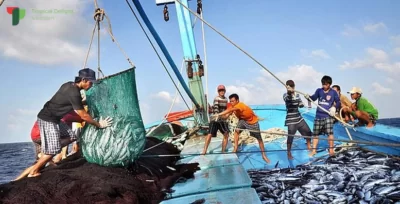
Seafood is always caught and traded directly at the seaport
Many retailers choose to source fish from wholesale markets. However, this approach is not ideal for the frozen fish business. When it comes to frozen products, consumers tend to prefer branded options to ensure quality and safety.
For those planning to sell frozen fish and other frozen products, the best way to access high-quality supplies and receive strong support is by becoming a distributor for Tropical Delight, a trusted clean food brand. As a distributor, you will benefit from competitive pricing and favorable policies designed to support your business growth.
Establishing a strong brand is key to sustainable growth and business expansion in the frozen fish industry. A well-recognized brand makes it easier to promote your products and gain consumer trust.
However, building a unique brand is not an easy task, especially in the food and frozen product sector, where consumers are highly cautious about their purchasing decisions.
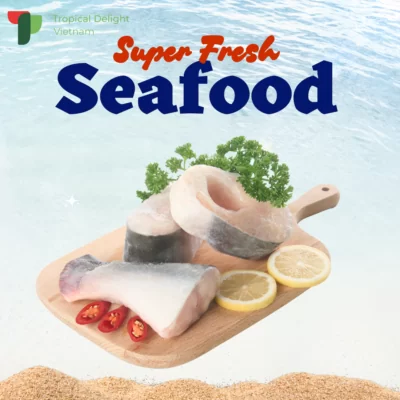
frozen fish products – a category that consumers are always cautious about when purchasing.
Customers always appreciate good deals and often compare prices before making a purchase, even for fresh and frozen food products. Competitive pricing can significantly increase your chances of making sales.
However, to offer lower prices than your competitors while maintaining product quality, you need to carefully consider various factors, including cost management and capital allocation.
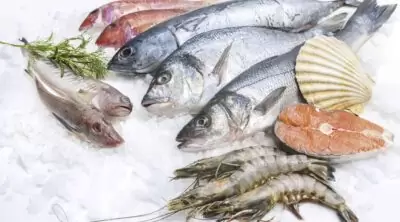
As a distributor for well-established food brands, you gain the advantage of receiving discounts, marketing support, and customer appreciation programs. This is one of the key benefits of partnering with large, professional food companies.
The frozen fish business can be highly profitable if developed strategically. However, starting any business is never easy. Let Tropical Delight a trusted clean food brand with years of industry experience be your partner. Contact us today for expert consultation on our products!

Tropical Delight Vietnam is committed to sustainable fishing practices, ensuring that seafood resources are preserved for future generations. We adhere to responsible fishing regulations, protecting marine ecosystems and wildlife. By using renewable seafood sources, we help reduce the negative impact on the environment, ensuring that seafood resources remain sustainable for the long term.